
Bundaberg Events
Looking for Bundaberg Events in 2022? We list all of the best events for you, your family and friends to enjoy in the beautiful city of Bundaberg. Find free and paid events at a glance.
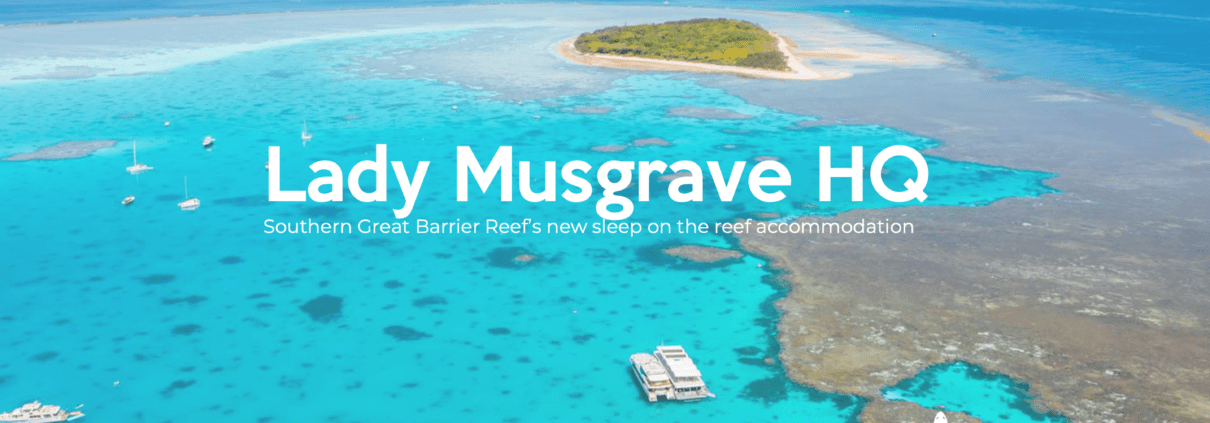
Sleep On The Reef With Lady Musgrave Experience
Lady Musgrave Experience is an award-winning tour operator that offers an unforgettable sleep on the reef experience. Located on the Great Barrier Reef off the coast of Queensland, Australia, Lady Musgrave Experience has been providing guests with a once-in-a-lifetime opportunity to stay overnight in the heart of the world’s largest coral reef system for nearly two decades.
The Lady Musgrave Experience begins with a scenic cruise out to Lady Musgrave Island. The trip takes approximately two hours and allows guests to take in the stunning views of the Great Barrier Reef and nearby islands. Once guests arrive at the island, they can explore the local marine life while snorkeling or scuba diving. There is also a beautiful beach on the island where guests can relax in the warm Australian sunshine.
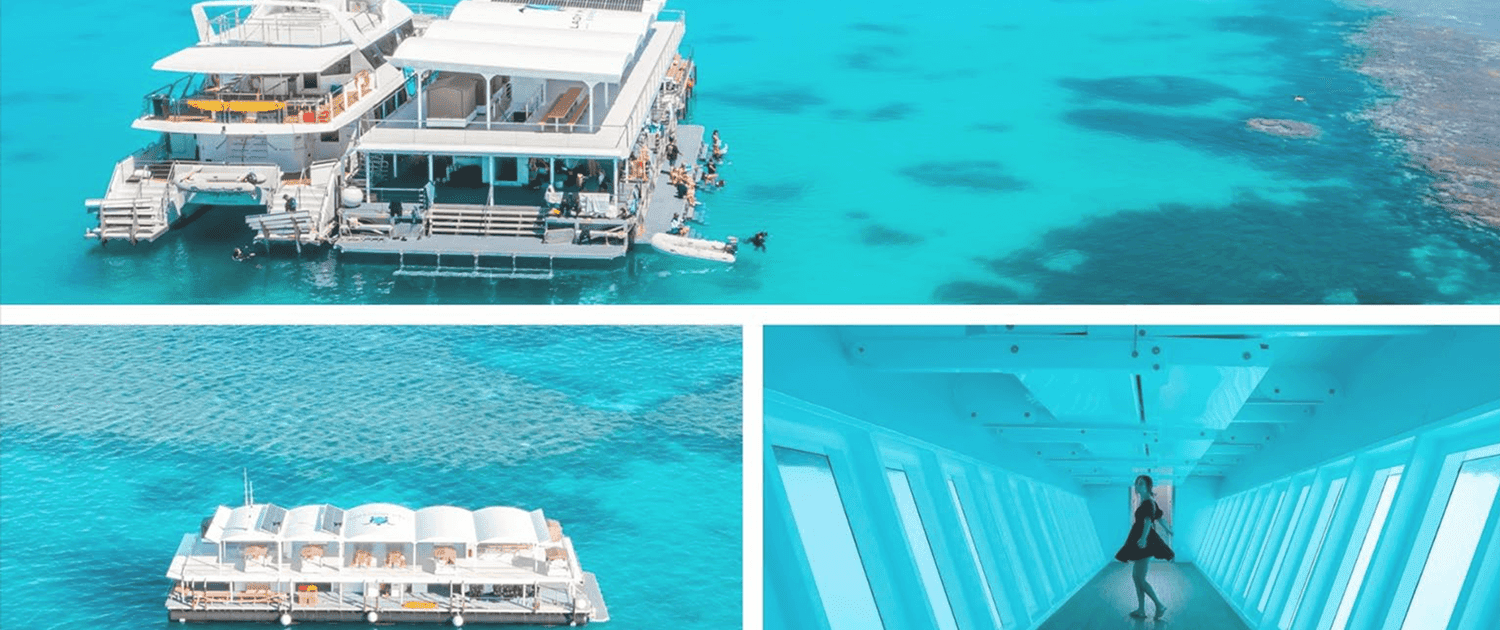
The highlight of the Lady Musgrave Experience is the overnight stay on the reef. Guests are provided with a fully stocked luxury pontoon where they can sleep under the stars in the middle of the Great Barrier Reef. During the night, guests can enjoy the spectacular views of the stars and the stunning bio-luminescence of the reef. In the morning, guests can witness the amazing sunrise over the reef and then enjoy a continental breakfast on board.
The Lady Musgrave Experience is the perfect way to experience the beauty of the Great Barrier Reef. Guests will be able to enjoy the stunning views and unique wildlife while sleeping in the heart of the reef. The experience is suitable for all ages and will leave guests with lifelong memories of the incredible beauty of Australia’s Great Barrier Reef.
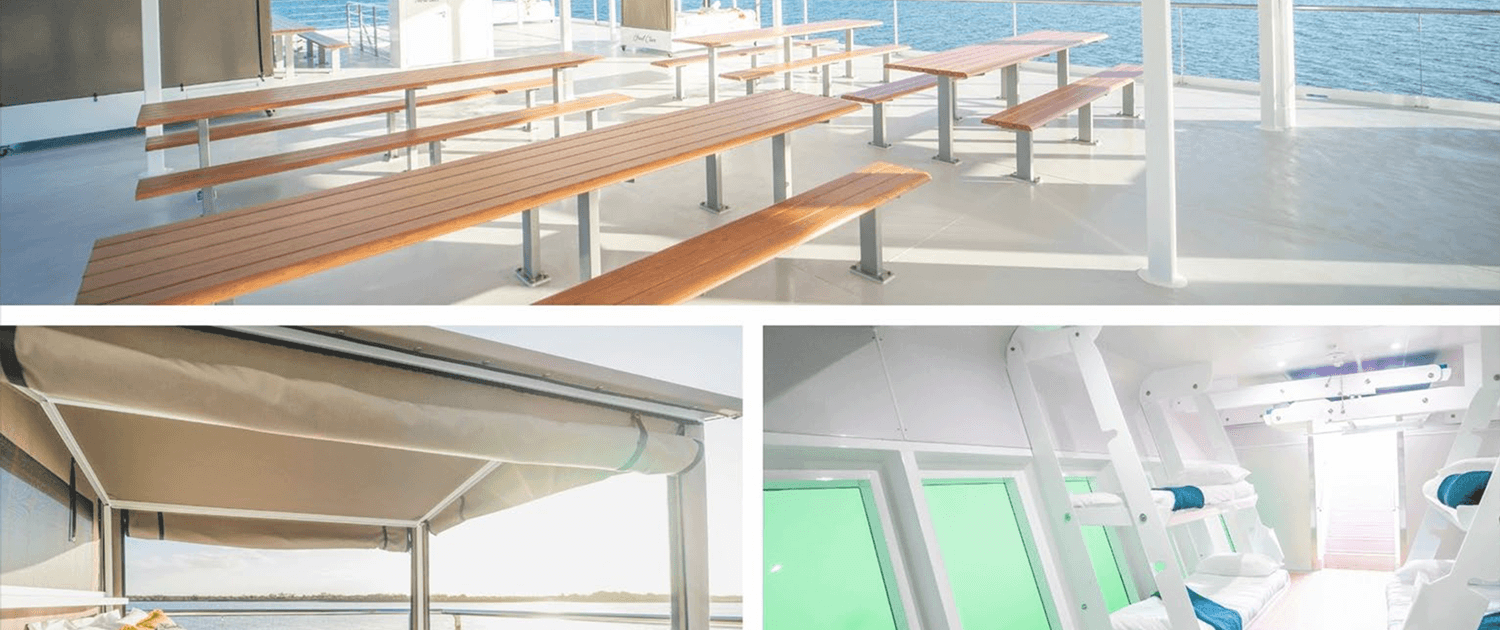
What is included:
- VIP return transfers in the Captain’s Premium Lounge
- Morning and afternoon tea with waitstaff onboard transfers
- All meals cooked by our onboard Chef, showcasing local and seasonal produce
- Daily buffet lunch of fresh prawns, cold meats, selection of salads and fresh bread
- Bed and bathroom linen (beds are not serviced daily unless requested prior to arrival)
- Day tour activities are included with optional extras on the next page
Activities:
- Reef presentation on the journey from Bundaberg Port to Lady Musgrave Island
- Lady Musgrave Lagoon Snorkeling all necessary snorkel equipment is
- provided, however guests are welcome to bring their own should they prefer
- Snorkel vests & pool noodles are available for assistance if required
- Guided glass bottom boat reef tour on day of arrival
- Walking tour of Lady Musgrave Island on day of arrival
Optional Extra’s:
Additional costs apply. All extra activities are subject to availability, weather and minimum numbers being reached for some activities. Extra activities must be booked in advance to allow staff and catering.
- Non-Certified Lagoon Scuba Diving – from $140
- Certified Double Lagoon Scuba Diving – from $110
- Adventure Outer Reef Double Dives (for certified divers only) – from $180 for 2 dives
– gear hire is available for $50 for duration of stay - Night Dives – from $90 (torch hire is not included)
- Outer Reef Snorkel Safari in peak manta ray season – from $65 • Sunset drinks with gourmet cheese platter – $45 for 2 people
- Island Picnic Hamper on Lady Musgrave Island – $20 per person
Visit Lady Musgrave Experience to learn more.
Whale Watching Bundaberg
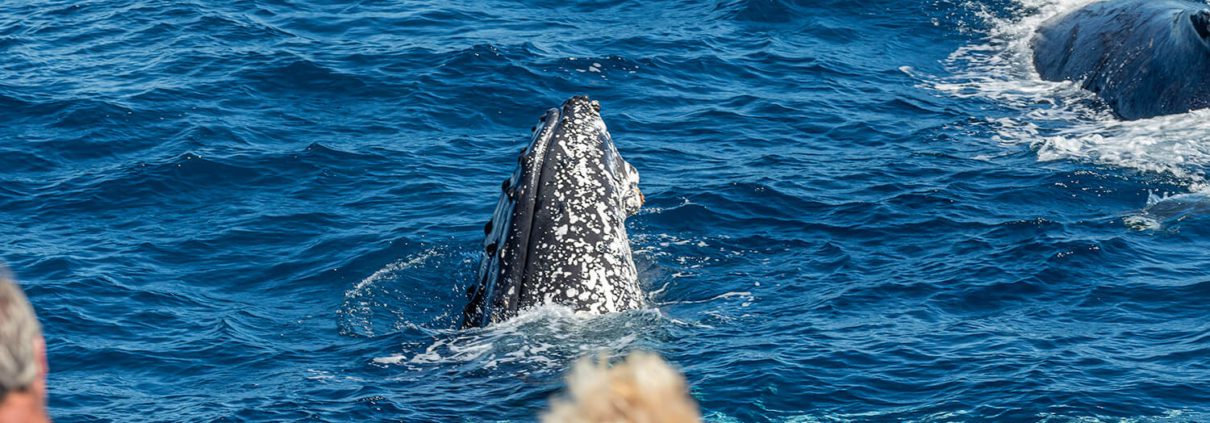
Both dolphins and whales are an iconic presence in the Great Barrier Reef, and are sacred for the Aboriginal people of the Keppel Islands and the Woppaburra people. They believe that the humpback whales are a saltwater totem that connects them to their ancestral land, their ancestors, and the sea to the land. There are around thirty species of whales in the Great Barrier Reef, and every year, some of these make their way to the pristine waters of Bundaberg, mainly from July to November.
This is the result of a migration from the waters of Antarctica to the Australian coast, so tourists can enjoy this majestic sight as the whales play and feed in the waters. The most common whales to make it to the Australian waters are the Humpback Whales. These marine giants are protected in the waters of the Great Barrier Reef, therefore, they find it to be an easy and safe place to breed and hunt in the waters.
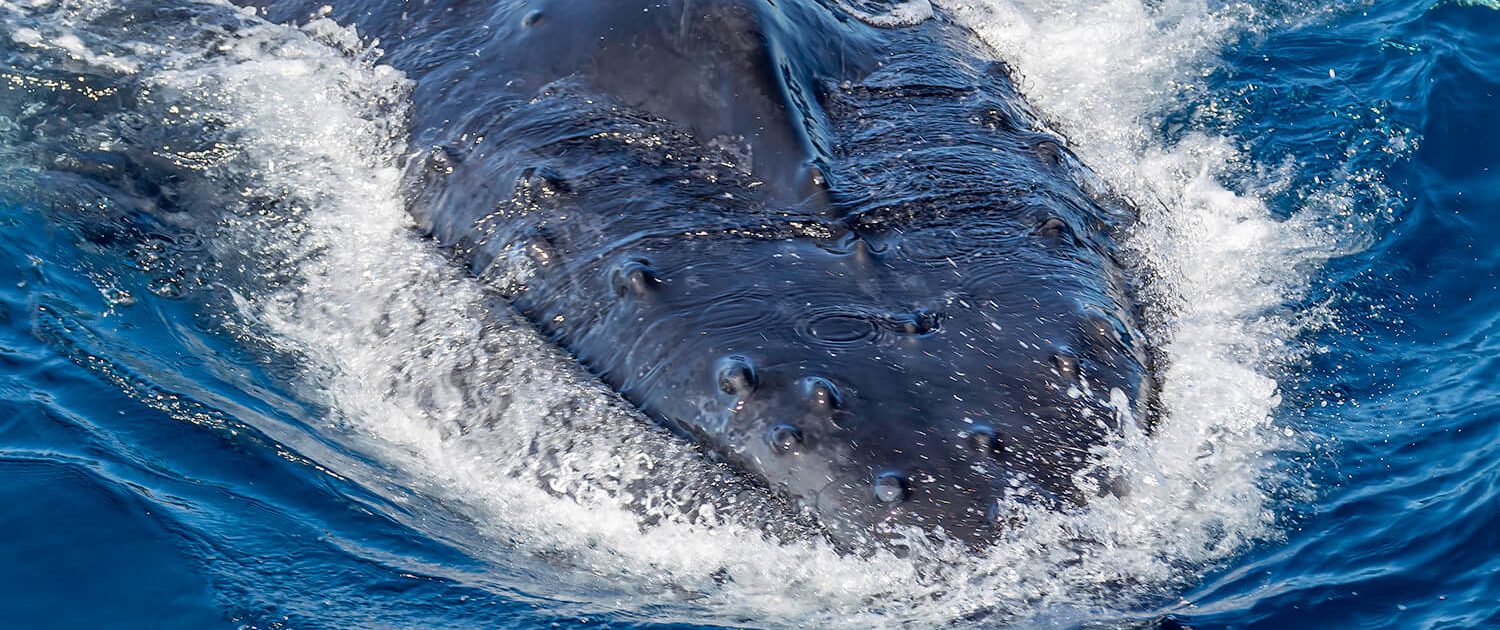
The Humpback Whales
Each year, humpback whales make a ten thousand kilometer journey to the subtropical waters so they can mate and reproduce. The journey is usually led by males, but calves and females join to make the herd bigger the closer they get to Australia.
The safe and warm waters are ideal for their young offspring as baby humpback whales have little body fat and require time to endure cooler temperatures. Here, they bond with and learn essential survival skills before venturing out into the open waters. Because of their protected status, all whales roam freely in the waters without human intervention save for guided and controlled tours that keep their distance from the animals but allow tourists to enjoy viewing them.
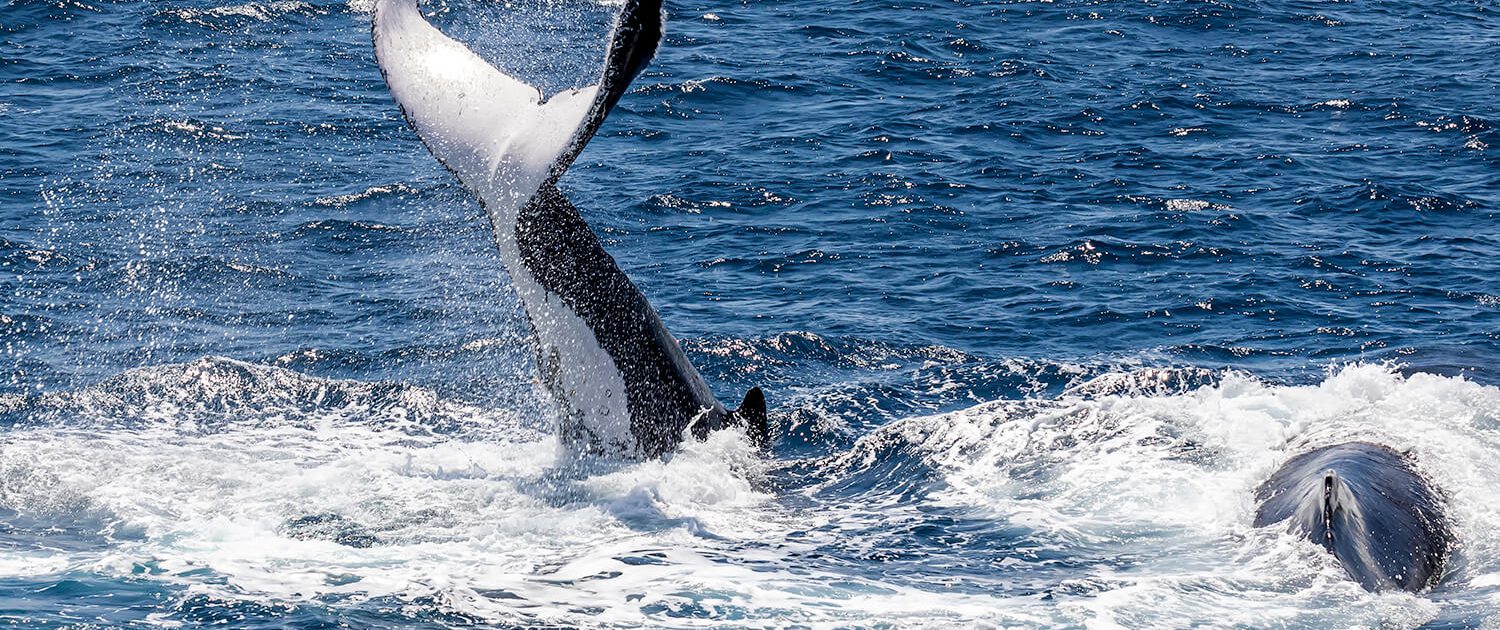
Bundaberg Whale Watching Tours
Multiple touring opportunities are available that offer whale watching in Bundaberg, without disturbing the reefs or the animals. As Bundaberg is the gateway to the South Barrier Reef, they can combine whale watching and a night’s stay at the scenic Lady Musgrave or Lady Elliot Islands. Most of the tours also include a light lunch and an air-conditioned boat to keep guests comfortable during the tours.
With a watching deck and informed commentary about the animals, these tours combine this fantastic opportunity with a chance to learn more about whales and the dolphins that sometimes like to join in the feeding and games.
Conclusion
The concern about the whales and other marine animals such as sea turtles has ensured that the whale watching and dining tours are safe and eco-friendly. Since these areas and conservation grounds, they offer refuge to a multitude of animals, not just whales.
The tourists are often given the chance to see all sorts of fish, whales, dolphins, and seals if the tourists are lucky enough. Research is constantly taking place to ensure that the waters remain clean and safe for these animals, so whatever tourism is offered to the Bundaberg coastline and the Southern Great Barrier Reef, is controlled and limited.
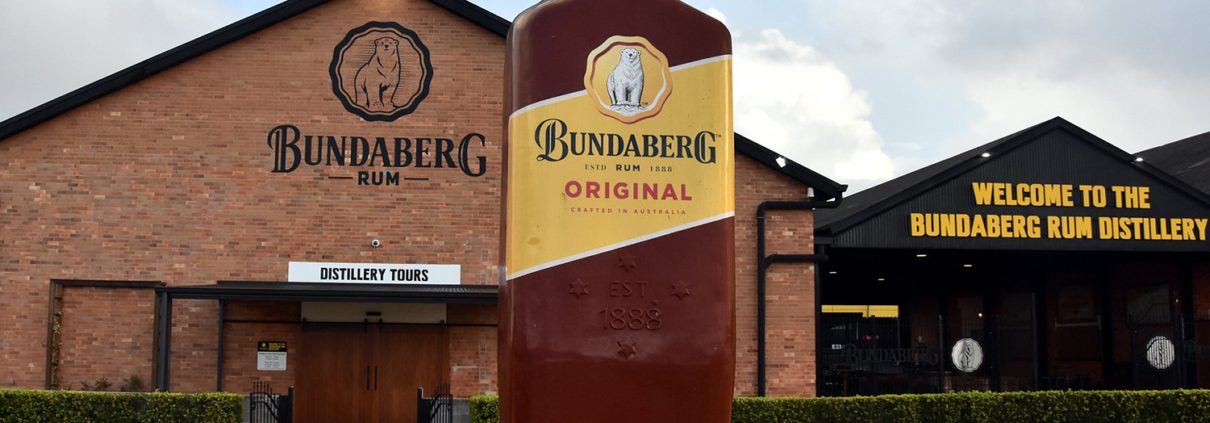
History Of Bundaberg Rum
Founded in 1888, the Bundaberg Distilling Company was created to enhance the sugar industry’s profits and to utilize molasses, a byproduct of sugar refining. In 1889, the first batch of Bundaberg Rum was distilled, and by 1890, it reached interstate distribution. The distillery produced 22,500 gallons of rum in its first year and made its first profit in 1898, after a long period of financial struggle.
Frederic Buss, a Bundaberg businessman, played a crucial role in the distillery’s development. He owned several sugar refineries and several other local enterprises. In 1885, he made his first effort to secure investors for a distillery. Molasses was being dumped into the Burnett River during this time. He failed to gain investors’ confidence.
Aside from worries about the company’s financial viability, there were also moral concerns. The temperance movement was prominent in the late 19th century. Many considered rum manufacture to be an incentive for intoxication.
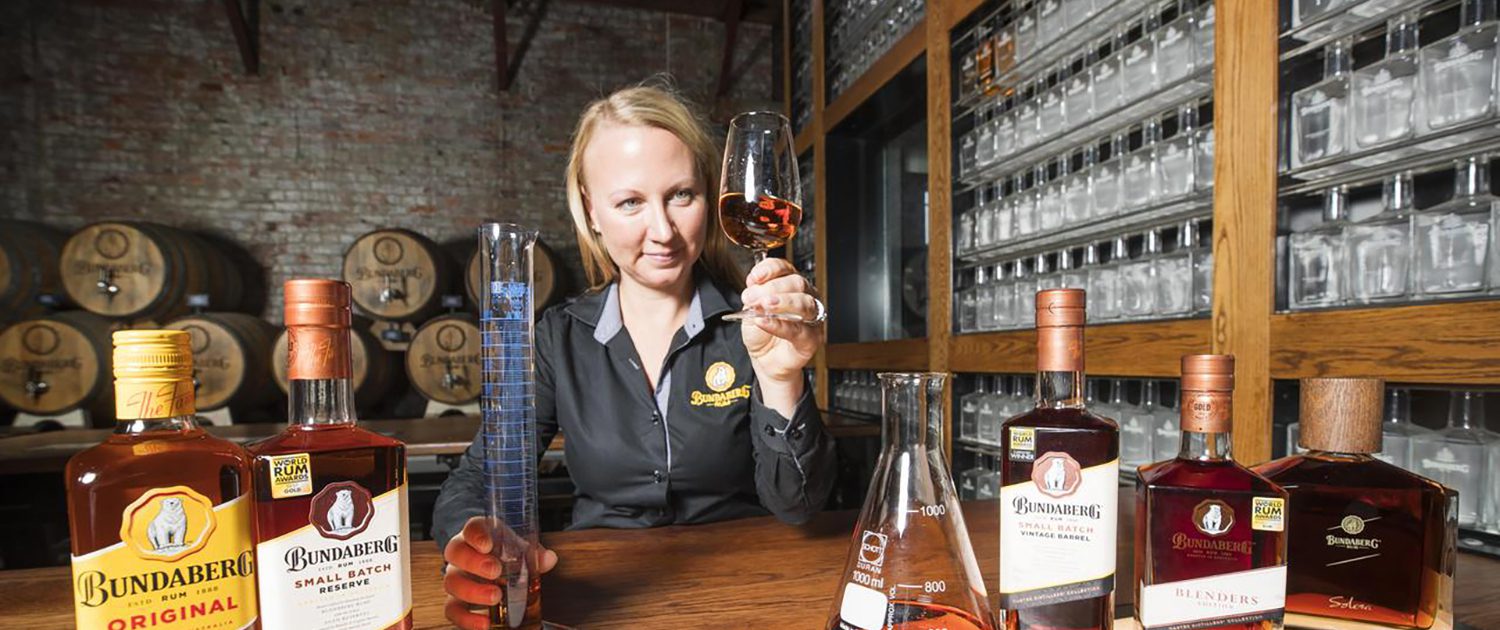
It was only in 1888 that Buss had the opportunity to set up a company with a group of local investors. The company was formally incorporated on November 22nd, 1888. Mr. S.H. Bravo, a stockholder, was chosen as manager due to his prior experience working in the West Indies rum-making industry. In its early years, the corporation was plagued by competitors, floods, and a low economy. In 1898, the firm was dissolved and revived under new shareholding, which ultimately resulted in profits.
Bundaberg Rum’s production was halted twice due to fires in 1907 and again in 1936. Molasses that had been burning in the second fire leaked into the Burnett River. First distributed and bottled by agencies, Bundaberg Rum eventually became in-house in the 1970s after a series of acquisitions.
Bundy Rum has a longstanding history with Australian diggers, dating back to the South African Boer War and lasting through both World Wars. Bundaberg Rum and Cola was created in 1942 to fulfill the needs of the visiting American military.
In 1912, the administration of the Bundaberg distillery was transferred to the nearby Millaquin sugar refinery, which in turn was acquired by the Bundaberg Sugar Company in 1975. Diageo, a multinational beer, wine, and spirits corporation, has owned Bundaberg Rum since 2000.
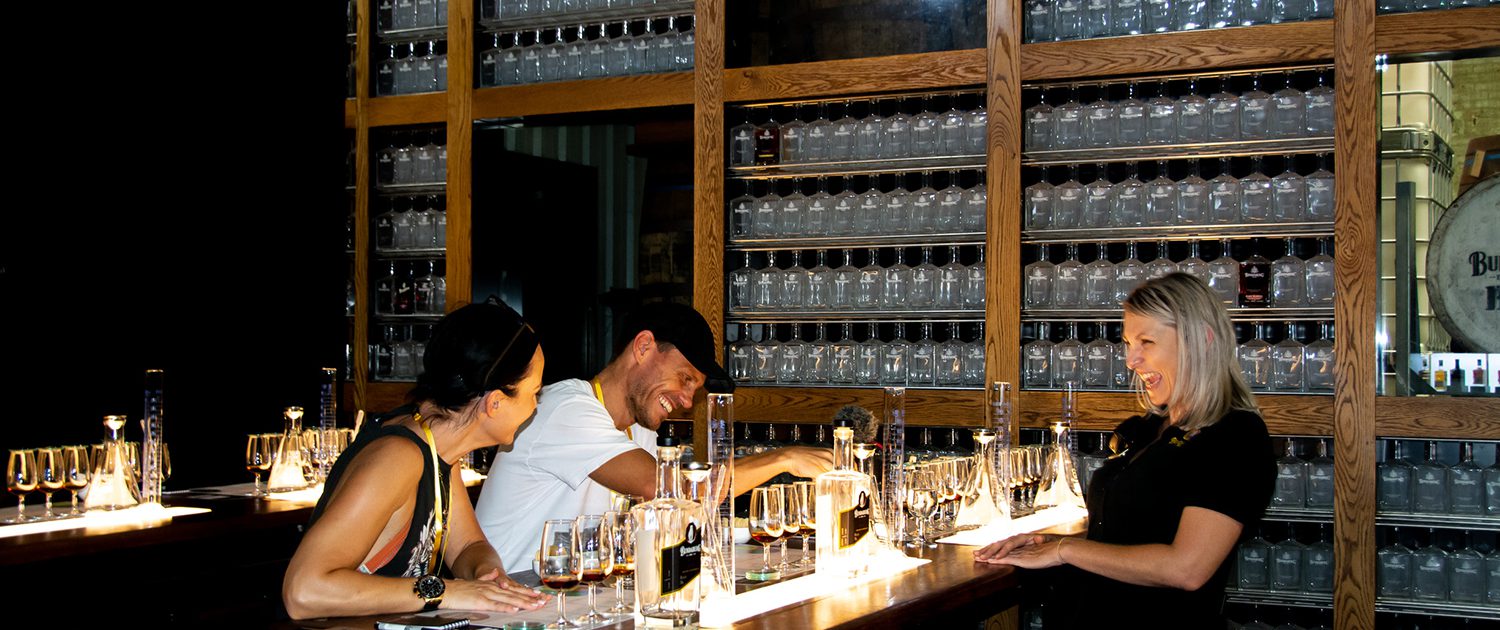
Bundy R Bear, a large white polar bear designed in 1961 to represent Bundaberg Rum from Queensland, is one of Australia’s most iconic mascots. Sam McMahon came up with the idea of using Bundaberg Rum to combat the cold of a frigid southern winter. McMahon also designed Bundaberg Rum’s unique brick-shaped bottle, as well as the three-piece label.
Bundaberg Rum’s distinctive brand has a strong link to its Queensland ancestry and customer values. When the National Trust of Queensland released the first-ever list of Queensland Heritage Icons, Bundaberg Rum was a natural inclusion.
The Bundaberg distillery now employs sixty locals, with more than 500 employees working in production, sales, and marketing across the country. It is most renowned for its ginger beer and other carbonated varieties, which it exports to more than 61 countries worldwide.